Cultivating High Net Worth Donors: Moving Beyond Transactions
What HNWI donors want from a philanthropic partnership—and the donor cultivation strategies that build lasting major gifts
Hi there, and welcome to this week’s edition of The Giving Groove. We’re returning to major gifts and examining donor cultivation strategies for high-net-worth individuals (HNWIs)—an important donor segment.
The critical thing to understand is that just like with foundations, building professional relationships is key to your success.
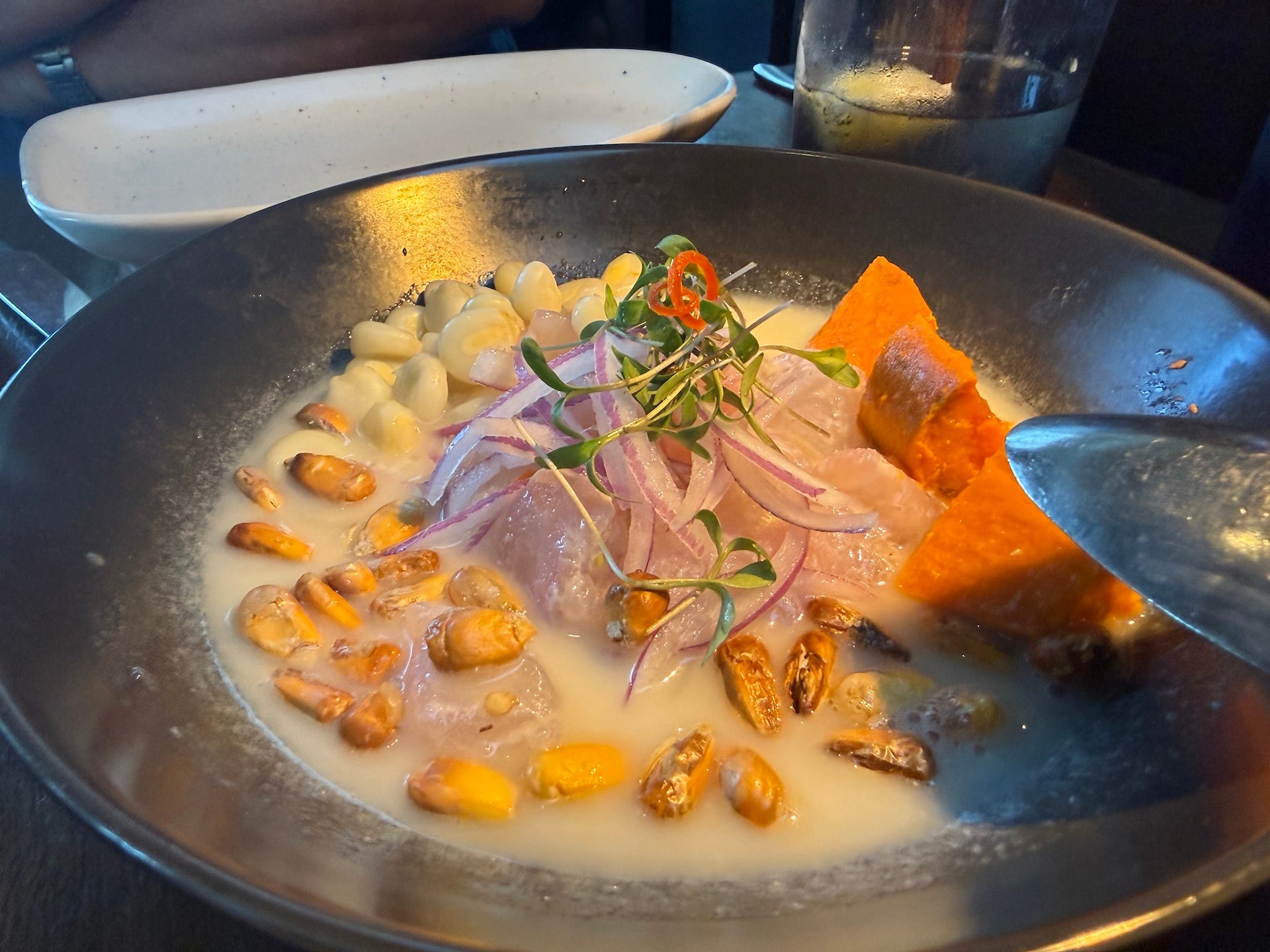
Peruvian Ceviche at La Mar SF © Tonya Hennessey
Relationships, Not Transactions
There’s a version of major gift fundraising that is essentially transactional: prospect identified, cultivation scheduled, ask made, gift received, stewardship letter sent, cycle repeated. It can work, to a certain extent. But that’s an older and less effective model.
There’s another version. The one where a donor calls your executive director on a Saturday because they read something that connects to your work. Where they bring a friend to a site visit who becomes your next major donor. Where their estate plan includes a bequest that funds your organization for years.
That version is built on a genuine relationship. And a genuine relationship with high-net-worth donors requires understanding what these individuals and families want from a philanthropic partnership. This advice is meant to be tailored: always work with your organization’s definition of what a major gift is and its level of readiness.
What High Net Worth Donors Want
According to Altrata’s 2025 Ultra High Net Worth Philanthropy Report, the top motivations for significant philanthropic giving are not tax efficiency or social obligation. They are personal connection to cause, a desire for tangible impact, and a sense of partnership in the work they fund. These donors want to matter to your organization, not just to your budget.
In practice, that means access. Access to program staff, to the communities you serve, to the thinking behind your strategy. They want to understand your organization’s work at a depth that goes beyond your annual report. And they want their perspective—their questions, their network, their ideas—to be genuinely welcomed.
These deeper donor relationships take organizational preparation and readiness. Don’t rush things if you haven’t built a level of trust with your donor, even when you urgently need the funds. Don’t offend a great donor and throw the relationship off track.
The Donor Cultivation Moves That Work
Major donors value site visits and firsthand program immersion. Nothing builds a strong connection with high-net-worth donors like direct experience of your program. Not just a tour—an immersive experience—let them sit with participants, speak with staff, and observe the work’s complexity firsthand.
These kinds of engagements consistently lead to significant and sometimes transformational donations. This has been proven time and again over my 25 years in the field.
Facilitate access to your organizational leadership and thinking. Share a research finding before it goes public. These gestures communicate that this person is a partner in your mission, not just a name in a database.
Think about partnership opportunities appropriate for your particular organization and its style. Take it step by step, considering your organization’s size, staffing, and readiness. What is the right balance between partnerships and independence? What are your organization’s boundaries?
Some high-net-worth donors—particularly those with entrepreneurial backgrounds—want to do more than write a check. A named endowment, a challenge grant they design, a pilot program they help conceive. When a donor is genuinely invested, channeling that energy into something specific deepens the relationship and often increases the gift.
But don’t let donors direct your organization’s programs or strategy. Desires to do so should raise red flags. In the worst-case scenarios, these situations pull organizations into work that falls entirely outside their mission.
A Word on Patience
Genuine relationships with high-net-worth donors are a long arc. It takes two or three years of consistent, thoughtful engagement before a truly significant gift materializes. Plan for this.
The fundraisers who build extraordinary major gift programs are genuinely curious about the people in their portfolios. They remember details from conversations months ago. They send a note when they read something that reminds them of what a donor cares about. That’s both a technique and an art.
What’s been your most effective major donor cultivation move? Let us know in the comments—we read every one.


