You’ve Got a Prospect List. Now What?
Veteran Grant Fundraiser Playbook for What to Do After the Research Is Done
You’ve deep-dived into prospecting, lived in Foundation Directory like it was your latest streaming obsession, and now you’ve got a shiny list of potential funders. Excellent. Now comes the part that brings in the money: the steps you take next.
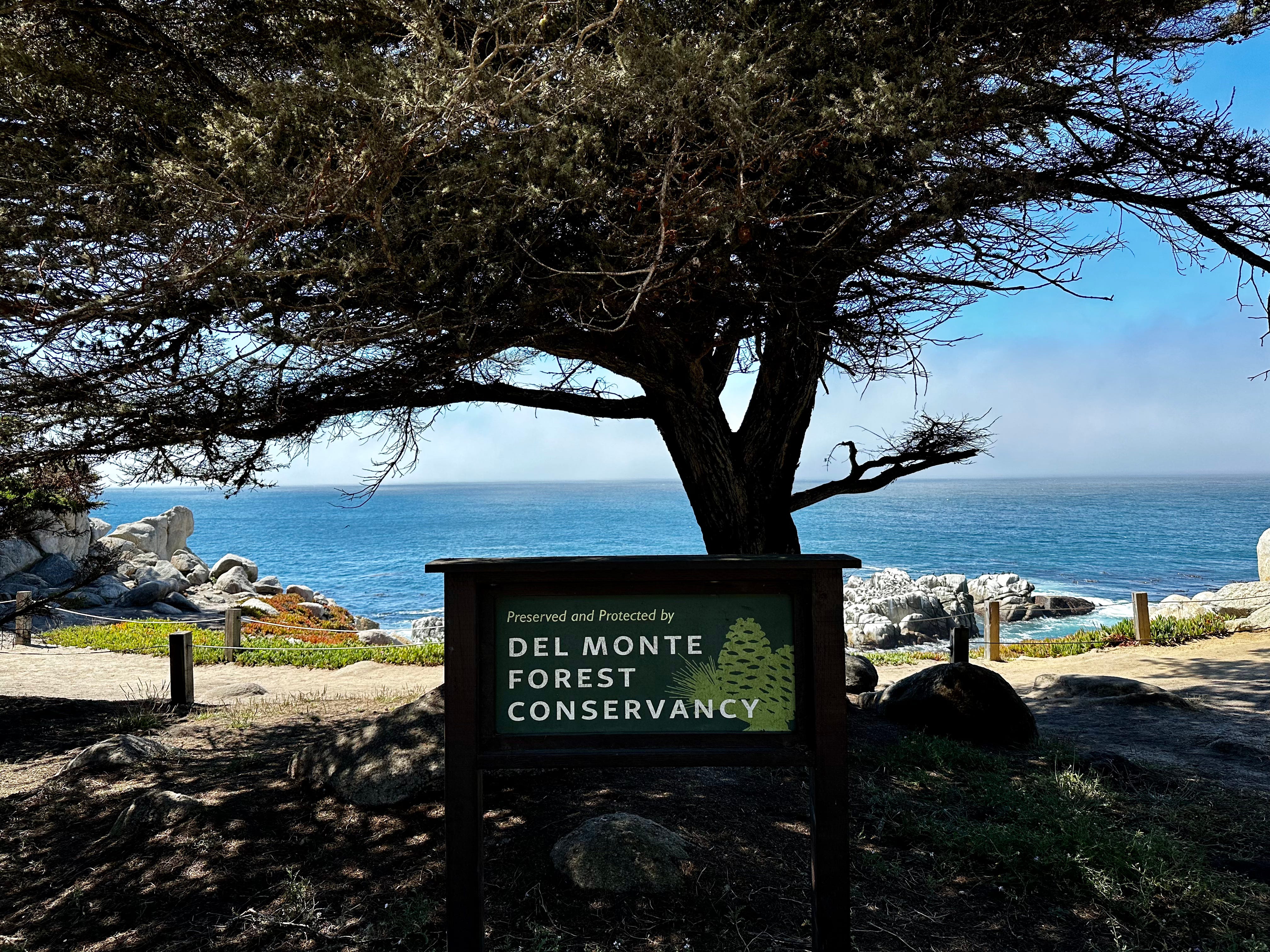
7-Mile Drive, Monterey, CA © Hennessey
Step 1: Prioritize like a Pro
Not all prospects are created equal, and you don’t have time to chase everything that moves. Start by ranking your list using three anchors: alignment, funding amounts, and deadlines.
Ask of each funder:
How aligned are their stated priorities with your programs and community?
What is the typical grant size, and does the potential return justify the staff time?
What are the hard deadlines, LOI windows, or rolling cycles you have to hit?
Grant strategy practitioners consistently recommend building a calendar that starts with the most promising funders and their hard deadlines, then layering in more flexible opportunities around that core.
Step 2: Dig Deeper Than the Surface
Once you’ve prioritized, move from “names on a list” to “funders with patterns.” That means digging into:
Their grants list: who they actually fund, at what levels, and in what geographies.
Key staff: program officers, grants managers, EDs—anyone who touches decisions.
Board of directors: people with community ties, shared networks, or overlapping causes.
Prospect research best practice emphasizes reviewing past grant recipients and philanthropic history to gauge both affinity and capacity before you move to cultivation.
One consultant puts it plainly: look at alignment, giving capacity, and the time it will take to prepare a strong application so you’re investing your energy where it’s most likely to pay off.
Step 3: Send the First Email (Yes, Even if You’re Nervous)
Once you’ve identified your top tier, it’s time to make contact. Your goal is not “please fund us yesterday.” Your goal is a short, respectful discovery conversation to explore fit.
Best-practice guidance for communicating with grantmakers recommends a brief email that introduces your organization, notes clear mission alignment, and asks if they’d be open to a short call.
This is the best way to get past the “No unsolicited proposals” barrier. It’s best to respect their wishes by not sending an uninvited proposal, but funders are often interested in hearing a bit about work that’s aligned with and new to them.
Just send a meeting request email and then follow up. Remember, you’re not begging at the door; you’re inviting a potential partner into impact. Foundations are required by law to give away at least 5% of their assets each year.
Step 4: Follow Up (Without Becoming the Inbox Villain)
If you don’t hear back, that’s not a cosmic verdict on your worth. It’s just an email. Many prospecting experts recommend a simple follow-up cadence: allow time for response, then send a short, friendly nudge, and then one more nudge.
Send your initial outreach at least three weeks before you want the meeting, and follow up about a week later if there’s no reply. Funders are busy, and it often takes more than one email to get a reply. (As frustrating as that is.)
In my 25 years of successfully raising significant grants, the patterns are clear: organizations that prioritize by alignment and deadlines, research deeply, reach out thoughtfully, and follow up with discipline are the ones that actually get into serious funding conversations. Everyone else just has a spreadsheet.
Thanks for reading! If you’d like to learn more about The Giving Groove, head on over to my About page.


Solid advice on the follow-up cadence. That line about everyone else just having a spreadsheet is so true. I've seen orgs spend months building prospect lists and then get paralyzed at the outreach stage. The three-week initial contact window is key becuase it gives enough buffer for busy program officers without losing momentum. One thing that helped me was treating the first email like a soft intro rather than an ask.